


Prostatitis is an unpleasant urinary tract disease that affects men in proportion to their age.
.jpg)
According to medical statistics, after 50 years almost half of the male population will suffer from some form of prostatitis.
The earlier you diagnose and develop the correct treatment plan for prostatitis, the more complete and faster your recovery will be.
Prostatitis Definition and Causes
Prostatitis is an inflammatory disease of the male prostate, a small, very specialized glandular organ located next to the urethra and bladder.The main function of the prostate is to control urination in men and produce the secretions that make up semen.The problems of prostatitis and treatment have been solved over the past few centuries.
According to different causes, it can be divided into acute prostatitis, non-bacterial chronic prostatitis and chronic infectious prostatitis.Different treatment methods are adopted for different types of prostatitis according to different forms of the disease.
Acute prostatitis usually occurs in young men and is often contagious.The infection spreads from the urethra through the blood vessels or lymphatic system to the male's prostate, where an acute inflammatory process occurs.If you do not see a doctor or receive treatment at this time, it will become chronic in a short period of time, and the structure and function of prostate tissue and cells will be destroyed, leading to irreversible consequences.
The inflammatory process in the prostate can be initiated and maintained over time by non-infectious factors.The most important one is chronic spasm of the urethra, which causes urine to flow back into the prostate involuntarily, causing prostate inflammation.
There are many causes of this disease, some of which are worth mentioning:

- Various infections transmitted through sexual intercourse: Ureaplasma, herpes, E. coli, chlamydia, cytomegalovirus, trichomoniasis, etc.;
- Poor quality of sexual life: insufficient sexual intercourse, artificial prolongation, etc.;
- Congestion of male pelvic organs and prostate;
- Being overweight and living an inactive lifestyle;
- Stressful situations, overloads of all kinds;
- Immune system failure;
- generalized hypothermia;
- hormonal imbalance;
- Lack of essential trace elements and vitamins in the male body;
- Drinking, smoking, etc.
Only an experienced urologist can provide fast and effective treatment for prostatitis.Strictly speaking, chronic and acute prostatitis can be detected at any age.Chronic inflammation of the prostate is most common in older men.
Treatment symptoms and diagnostic methods of male prostatitis
Symptoms of acute and chronic inflammation of the prostate in men vary.The acute phase of the disease is characterized by local and systemic symptoms:
- General malaise.
- fatigue.
- High body temperature - up to 40 degrees.
- Chills and fever.
- weakness.
- Headache.
- I often want to urinate and feel pain during urination.
- The flow of urine is weak or completely absent because the prostate presses on the urethra.
- Acute pain of varying intensity in the perineum, groin area, and lower abdomen, depending on the location of prostatic inflammation relative to the rectum, bladder neck, and urethra.
- There is a temporary interruption of the erectile mechanism and a general decrease in potency.
- The man's complex psychological state gradually takes shape.
Only after accurately determining the symptoms of acute prostatitis can a urologist formulate a correct prostatitis treatment plan.
Chronic prostatitis does not have as severe symptoms as acute prostatitis.The most common features are the absence of any obvious symptoms or a mild course, mainly of a localized nature.This may include:
- Persistent mild pain in the perineum and surrounding area.
- Pain may worsen during intercourse, urination, and defecation.
- Frequent urges to go to the toilet and a persistent feeling that the bladder is not completely emptying.
- Some discomfort during intercourse.
- Sexual function decreases, leading to impotence.

If adverse factors occur, the condition may worsen and produce a series of consequences.When the inflammatory process spreads widely, other organs adjacent to the prostate are also affected: epididymis, seminal vesicles, urethra, etc., and the clinical manifestations of the disease become diverse.
Choosing the correct course of treatment and methods for prostatitis of various causes requires detailed diagnosis of the disease and making a correct diagnosis.Currently, doctors have several ways to detect the disease.These mainly include:
- digital prostate exam;
- Prostate secretion analysis;
- Urine bacteriological analysis;
- General blood tests;
- Ultrasound examination of pelvic organs and prostate;
- magnetic tomography;
- urography;
- Computed tomography, etc.
Modern diagnostics allow to determine not only the presence of the disease in a man's body, but also its cause and its form.
General principles for treating prostatitis
After making an accurate diagnosis, the urologist develops an individual comprehensive treatment plan for each patient using modern methods of treating prostatitis.It is important to note that long-standing chronic prostatitis cannot be completely cured, but every effort can be made to prolong the remission of the disease for many years.Treatment of acute prostatitis can lead to a complete recovery if all the recommendations of the doctor are followed.
Comprehensive treatment for various types of prostatitis may include different combinations of the following:
- Immunocorrective treatment;
- antibiotic treatment;
- Hormone therapy;
- various physical therapy procedures;
- prostate massage;
- lifestyle changes;
- Surgery, etc.
Treatment for bacterial prostatitis is different from non-bacterial prostatitis.In the first case, a course in the use of fluoroquinolone antibiotics is required, in the second, a course in anti-inflammatory drugs.Treatment of bacterial chronic prostatitis includes antimicrobial therapy in combination with beta-blockers.Symptomatic medications, such as fever reducers and analgesics, are often required along with treatment of the underlying disease.Severe forms of prostatitis can be treated with hormone therapy, but this needs to be done under the constant supervision of a doctor during hospitalization.
Only a comprehensive treatment approach can bring permanent good results.Each area of prostatitis treatment should now be discussed more thoroughly and specifically.
Antimicrobial and hormonal treatment of prostatitis

As mentioned above, prostatitis is contagious in most cases.In this regard, every patient needs to receive antimicrobial therapy for the treatment of prostatitis, both in its acute and chronic course.Taking antibiotics can eliminate the main causes of inflammation.The following groups of drugs have been shown to be effective in treating:
- Tetracyclines;
- macrolides;
- Fluoroquinolones.
Alpha-blockers are actively used to treat prostatitis and are intended to relieve spasm in the pelvic organs, thereby relieving swelling of the prostate and preventing secretions from returning to the organ.As a result, inflammation in the organ itself is reduced.It is important to take the medication long-term - up to 8 months.
At the same time, antispasmodics and analgesics are taken to improve the patient's health.Folk remedies can assist in the treatment of prostatitis: various soothing herbal infusions, dill seeds, motherwort, valerian, etc.Micro-enemas made from lemon balm or chamomile decoction are ideal for these purposes.
Antimicrobial treatment under the guidance of a specialist is important; self-medication is not acceptable in this situation.It will make the situation worse.Treating prostatitis with antibiotics requires complete abstinence from alcohol.
It is known that the development and function of the prostate are directly dependent on hormones: estrogens and androgens.Therefore, treatment of prostatitis may include taking hormonal medications to reduce the size of the prostate and reduce the inflammatory process in it.
Herbal and prostate massage
An important and integral part of prostatitis treatment is direct massage of the prostate.The therapeutic effects of this massage are as follows:
- Normalizes prostate muscle tone;
- Improves blood supply to the prostate;
- Enhance the effect of antibiotics;
- Restore function of catheters, etc.
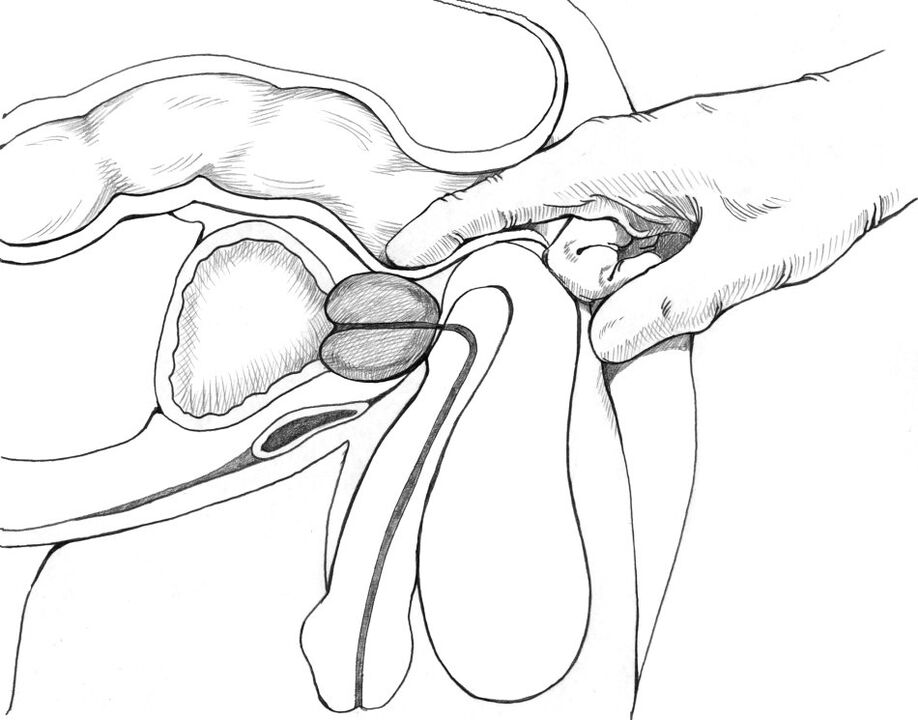
This procedure can only be trusted to professional doctors in specialized clinics.
The essence of treating prostatitis is: the patient should keep his feet shoulder-width apart, lean forward, and try to relax.The expert spreads the patient's buttocks with one hand, carefully inserts the index finger of the other hand into the patient's rectum, and massages the prostate for one minute, applying pressure and caressing.Effective massage should include releasing a few drops of secretion into the duct.Although the prostate massage process is painful, it is simply irreplaceable in the treatment of prostatitis.However, there are some contraindications to prostate massage:
- prostate cancer;
- cyst;
- Prostate stones and some other stones.
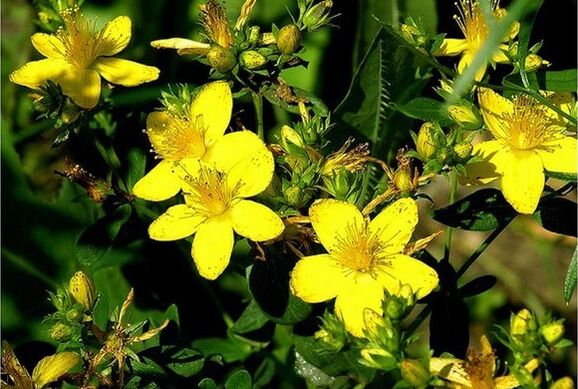
Herbal medicines are an adjunct in the treatment of male prostatitis and have a beneficial effect on the final outcome.The essence of herbal treatment of prostatitis is the infusion, juice, and decoction of medicinal plants for external and internal use, such as calamus, Hypericum perforatum, burdock, etc.This method has no side effects and no negative effects on other organs.
Treatment methods such as immune correction and physical therapy for prostatitis
General restorative treatments and immune correction are aimed at overall recovery of the body, strengthening the immune system and preventing future occurrences of prostatitis.Doctors will prescribe necessary multivitamins, minerals and other immune-boosting substances, especially for chronic conditions.
Physiotherapy methods for the treatment of prostatitis include measures aimed at activating blood circulation in the pelvic organs to enhance the effect of antimicrobial therapy.These include:
- Magnetophoresis;
- electrophoresis;
- laser treatment;
- Pulse current, etc.
At home, you can replace physical therapy with warm microenemas of herbal decoctions.
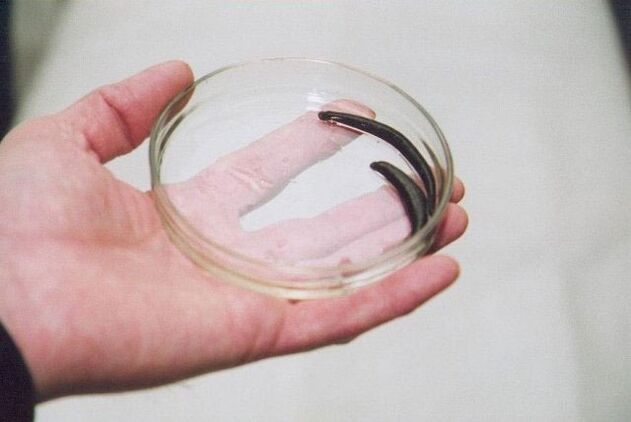
Currently, many alternative methods are used for the treatment and treatment of prostatitis, significantly expanding the capabilities of modern medicine and shortening the recovery period.For example, leech therapy can eliminate blood congestion in the pelvic organs and improve blood circulation and tissue nutrition.A course of neuromodulation therapy will effectively relieve the patient's pain.
When treating prostatitis, you must adopt a healthy lifestyle.In order to prevent the recurrence of the disease after treatment of acute prostatitis or to end the remission phase of chronic prostatitis, it is necessary to make significant adjustments in your life and eliminate all factors that trigger this unpleasant disease.Attention should be paid to regular walking, good sleep, avoidance of stressful situations, proper nutrition, avoidance of smoking and alcohol consumption, etc.
One of the treatments is surgery, which includes:
- Radical prostatectomy;
- on seminal vesicles;
- circumcision;
- Urethral stricture;
- Bladder neck, etc.
It's worth noting that this radical approach is rarely used and doesn't work very well.When prostatitis is treated in its old form and complications arise, surgical intervention is required.This method of treating prostatitis is suitable for cases where conservative treatment has not brought significant results.
After treatment of prostatitis, the doctor must conduct a control examination and draw appropriate conclusions on this basis.
Traditional methods of treating and preventing prostatitis
If symptoms of this disease appear, you must consult a doctor and follow all his recommendations.Traditional methods of treating various types of prostatitis can only serve as an excellent supplement to basic medical measures.Over the years, enough experience has been accumulated in getting rid of this disease; everyone can always choose an option that suits him.The main condition for effective treatment of the disease, especially its chronic form, is the regular use of high-quality ingredients according to the prescribed formula.
There are several effective recipes aimed at fighting prostatitis that you can consider:
- Propolis (200 g of any sunflower oil and 30 g of propolis heated in a water bath and then use it to lubricate the perineal area for 2 weeks).
- Honey (mixed with juices of various medicinal plants, taken orally, 2 tablespoons twice daily).
- Pumpkin seeds (Take 2 tablespoons of pumpkin seed powder before meals, twice daily).
Prevention after comprehensive treatment of prostatitis can consider not only proper nutrition, an active lifestyle, but also regular protected sexual intercourse.
Therefore, the treatment of various forms of prostatitis always represents a complex of a series of consecutive measures.Only by strictly following all the instructions of experts can you achieve the desired results and get rid of this unpleasant disease.